

Top 10 Careers in India Where Knowing a Regional Language Gives You an Edge
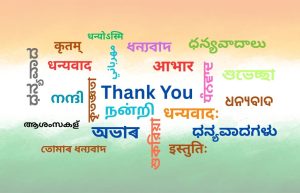
India is a land of incredible linguistic diversity. With 22 officially recognized languages and hundreds of dialects, language is not just a medium of communication—it’s a cultural bridge. In many professions, knowing a regional language isn’t just helpful—it’s essential.
Whether you’re working with local communities, clients, or students, speaking the local language builds trust, improves efficiency, and opens up career opportunities. Let’s explore 10 careers in India where learning a regional language gives you a real edge.
1. Civil Services and Administration
Why it matters:
Officers in the IAS, IPS, and state civil services often serve diverse populations. Knowing the local language helps with policy implementation, public interaction, and crisis communication.
Example:
An IAS officer posted in Tamil Nadu who speaks Tamil can better connect with citizens and respond effectively to local needs.
2. Journalism and Media
Why it matters:
Regional news outlets play a crucial role in shaping public opinion. Language fluency allows journalists to report authentically and access local narratives.
Example:
A journalist in Maharashtra fluent in Marathi can provide richer, more culturally grounded stories that resonate with local readers.
3. Teaching and Academia
Why it matters:
Teachers in regional or government schools must communicate complex ideas in a language students understand best.
Example:
A science teacher in Karnataka fluent in Kannada can explain subjects more clearly, especially in rural or semi-urban schools.
4. Healthcare and Medical Services
Why it matters:
Effective communication is vital in healthcare. Understanding symptoms and providing instructions in the patient’s language improves care quality.
Example:
A nurse in Kerala who speaks Malayalam ensures better patient interaction and medication adherence.
5. Customer Service and Support
Why it matters:
Many brands offer support in regional languages to improve user experience, especially in tier-2 and tier-3 cities.
Example:
A call center executive fluent in Telugu can resolve customer complaints faster and build better rapport.
6. Sales and Marketing
Why it matters:
From field sales to retail, speaking the customer’s language leads to better engagement and conversions.
Example:
A sales agent in Punjab speaking Punjabi can communicate product benefits more effectively to local farmers or business owners.
7. Legal Services
Why it matters:
Regional language skills are crucial in courts and legal documentation, especially for lawyers working with rural populations.
Example:
A lawyer in West Bengal fluent in Bengali can read case files and interview clients more efficiently.
8. Tourism and Hospitality
Why it matters:
Tourism professionals who speak the local language enhance the visitor experience and foster cultural appreciation.
Example:
A tour guide in Rajasthan fluent in Marwari can narrate local legends and interact with traditional artisans.
9. Politics and Social Work
Why it matters:
Political workers and social activists must build grassroots support, which requires strong communication in the local language.
Example:
An NGO worker in Odisha who speaks Odia can better understand community challenges and mobilize local resources.
10. Translation and Content Creation
Why it matters:
India’s regional content market is booming. Skilled creators who can write, translate, and localize content are in high demand.
Example:
A content marketer fluent in Tamil can help brands localize campaigns for South Indian audiences.
Final Thoughts
Whether you’re climbing the government ladder, running a startup, or managing a healthcare center, language is power. Learning a regional language doesn’t just enhance your resume — it deepens your impact and relevance.
💡 Pro Tip: Even learning the basics of a regional language can improve your relationships and opportunities in professional settings.
💬 Have a Story to Share?
Have you experienced the benefits of knowing a regional language in your career? Drop your story or thoughts in the comments—we’d love to hear from you!